Skip to Navigation Skip to UConn Search Skip to Content

UConn Cookie Information

Web cookies (also called HTTP cookies, browser cookies, or simply cookies) are small pieces of data that websites store on your device (computer, phone, etc.) through your web browser. They are used to remember information about you and your interactions with the site.

Purpose of Cookies:

  1. Session Management:

    • Keeping you logged in

    • Remembering items in a shopping cart

    • Saving language or theme preferences

  2. Personalization:

    • Tailoring content or ads based on your previous activity

  3. Tracking & Analytics:

    • Monitoring browsing behavior for analytics or marketing purposes


Types of Cookies:

  1. Session Cookies:

    • Temporary; deleted when you close your browser

    • Used for things like keeping you logged in during a single session

  2. Persistent Cookies:

    • Stored on your device until they expire or are manually deleted

    • Used for remembering login credentials, settings, etc.

  3. First-Party Cookies:

    • Set by the website you're visiting directly

  4. Third-Party Cookies:

    • Set by other domains (usually advertisers) embedded in the website

    • Commonly used for tracking across multiple sites

Authentication cookies are a special type of web cookie used to identify and verify a user after they log in to a website or web application.


What They Do:

Once you log in to a site, the server creates an authentication cookie and sends it to your browser. This cookie:

  • Proves to the website that you're logged in

  • Prevents you from having to log in again on every page you visit

  • Can persist across sessions if you select "Remember me"


What's Inside an Authentication Cookie?

Typically, it contains:

  • A unique session ID (not your actual password)

  • Optional metadata (e.g., expiration time, security flags)

Analytics cookies are cookies used to collect data about how visitors interact with a website. Their primary purpose is to help website owners understand and improve user experience by analyzing things like:

  • How users navigate the site

  • Which pages are most/least visited

  • How long users stay on each page

  • What device, browser, or location the user is from


What They Track:

Some examples of data analytics cookies may collect:

  • Page views and time spent on pages

  • Click paths (how users move from page to page)

  • Bounce rate (users who leave without interacting)

  • User demographics (location, language, device)

  • Referring websites (how users arrived at the site)

Here’s how you can disable cookies in common browsers:

1. Google Chrome

  • Open Chrome and click the three vertical dots in the top-right corner.

  • Go to Settings > Privacy and security > Cookies and other site data.

  • Choose your preferred option:

    • Block all cookies (not recommended, can break most websites).

    • Block third-party cookies (can block ads and tracking cookies).

2. Mozilla Firefox

  • Open Firefox and click the three horizontal lines in the top-right corner.

  • Go to Settings > Privacy & Security.

  • Under the Enhanced Tracking Protection section, choose Strict to block most cookies or Custom to manually choose which cookies to block.

3. Safari

  • Open Safari and click Safari in the top-left corner of the screen.

  • Go to Preferences > Privacy.

  • Check Block all cookies to stop all cookies, or select options to block third-party cookies.

4. Microsoft Edge

  • Open Edge and click the three horizontal dots in the top-right corner.

  • Go to Settings > Privacy, search, and services > Cookies and site permissions.

  • Select your cookie settings from there, including blocking all cookies or blocking third-party cookies.

5. On Mobile (iOS/Android)

  • For Safari on iOS: Go to Settings > Safari > Privacy & Security > Block All Cookies.

  • For Chrome on Android: Open the app, tap the three dots, go to Settings > Privacy and security > Cookies.

Be Aware:

Disabling cookies can make your online experience more difficult. Some websites may not load properly, or you may be logged out frequently. Also, certain features may not work as expected.

UConn University of Connecticut
Search University of Connecticut Search UConn
A to Z Index UConn A to Z Index

Valla Lab: Advanced Fuels using Modified Zeolites

Search this Site
Valla Lab: Advanced Fuels using Modified Zeolites
Skip to content
  • Home
  • Research Interests
    • Turning Waste into Energy
    • Hierarchical Pore Structured Zeolites
    • Biomass conversion to Fuels and Chemicals
    • Sulfur reduction in transportation fuels
    • Hydrodeoxygenation of biomass pyrolysis vapors
  • Group
    • Prof. Julia Valla
    • Graduate Students
    • Undergraduate Students
  • Publications & Conferences
  • Outreach
  • Classes
    • Thermodynamics
    • Fuel Processing
Search this Site

David presented at the ISCRE 2016 his recent work on the hydropyrolysis!

Posted on August 12, 2016August 13, 2016 by Valla, Ioulia

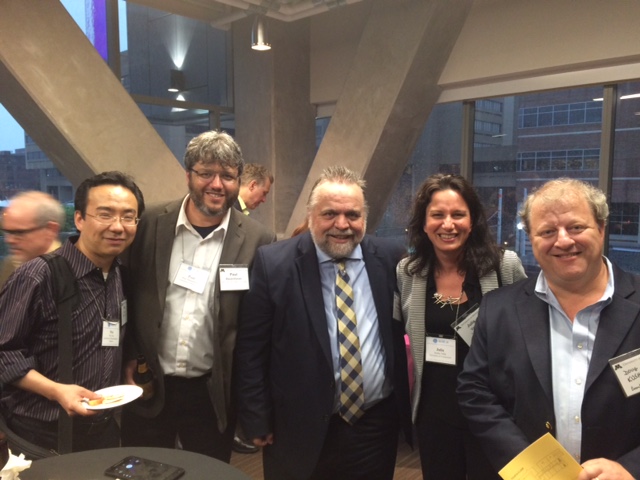
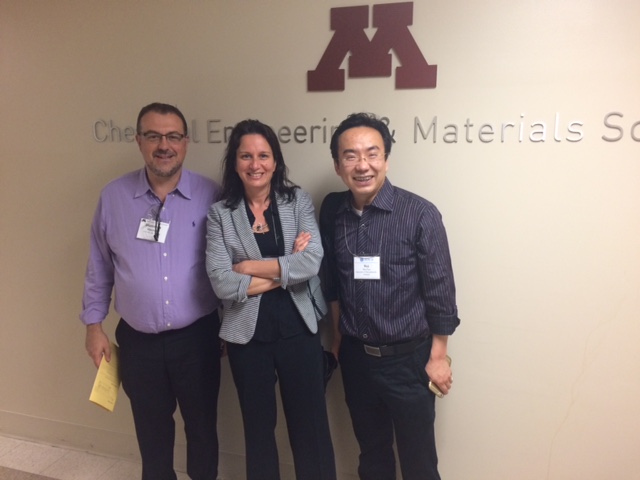
ISCRE 2016 was held at the University of Minnesota. It was a great meeting!
ISCRE Minesota 2ISCRE Minessota


← Previous
Next →

Search this site

Search this Site

Student Daily Digest

  • Academic and Scholarly Events
  • Join a 5-Week Writing Group
    The Writing Center is offering two five-week writing groups this semester through Grad 5900: Seminar in Academic Writing. This 1-credit course provides... [Read More]
  • German Language Partner Opportunity
    Interested in German language and culture? Join the Tandem Program through Experiential Global Learning this Spring 2026!The Tandem Program pairs you with... [Read More]
  • Special Events
  • 2026 MLK Legacy Convocation
    Join UConn’s Office for Inclusion and Civil Rights for the 2026 Dr. Martin Luther King Jr. Living Legacy Convocation, a vibrant evening... [Read More]
  • UConn Today
  • Students Win National Food Marketing Competition
  • EITC Has Unexpected Result in Reducing Violence
  • Someone to Talk To
  • Research
  • Study Participants Needed: Breast Cancer Study
    We are conducting research to better understand the role of the gut microbiome and diet in protecting against or predisposing to musculoskeletal symptoms... [Read More]
  • Research Assistants needed for a Psychology lab
    The Diversity, Identity, and Belonging in Society (DIBS) Lab, a social psychology lab led by Dr. Alexandra Garr-Schultz, is excited to invite undergraduates... [Read More]
  • Call for Abstracts: Health Equity Symposium
    The Office for Inclusion and Civil Rights invites you to the 2026 Annual Health Equity Research Symposium on March 26th, noon to 5pm. This symposium... [Read More]
  • Virtual Research Workshops
    This winter break, the Office of Undergraduate Research will offer 2 virtual workshops!Finding Summer Research Opportunities: Tuesday 1/6/26 from 2-3 pm... [Read More]
  • School, Program, and Course Information
  • MA Program in Latina/o and Latin American Studies
    Are you interested in interdisciplinary study and research on the Latina/o, Caribbean, and Latin American worlds?  Apply for El Instituto's MA program... [Read More]
  • On Campus Job Opportunities
  • Job Opportunity: Pre-College Summer RCW
    UConn Pre-College Summer – Residential Counselor for Welfare (2 Positions Available)Dates: June 10 – August 1, 2026Training Begins: June 10,... [Read More]
  • Job Opportunity: Pre-College Summer RM
    UConn Pre-College Summer – Summer Residential Mentor (Multiple Positions) Dates: June 14 – August 1, 2026 Training Begins: June... [Read More]
  • Job Opportunity: Pre-College Summer HC
    UConn Pre-College Summer – Hall Coordinator (2 Positions Available)Dates: June 10 – August 1, 2026Training Begins: June 10, 2026Compensation:... [Read More]
  • © University of Connecticut
  • Disclaimers, Privacy & Copyright
  • Accessibility
  • Webmaster Login